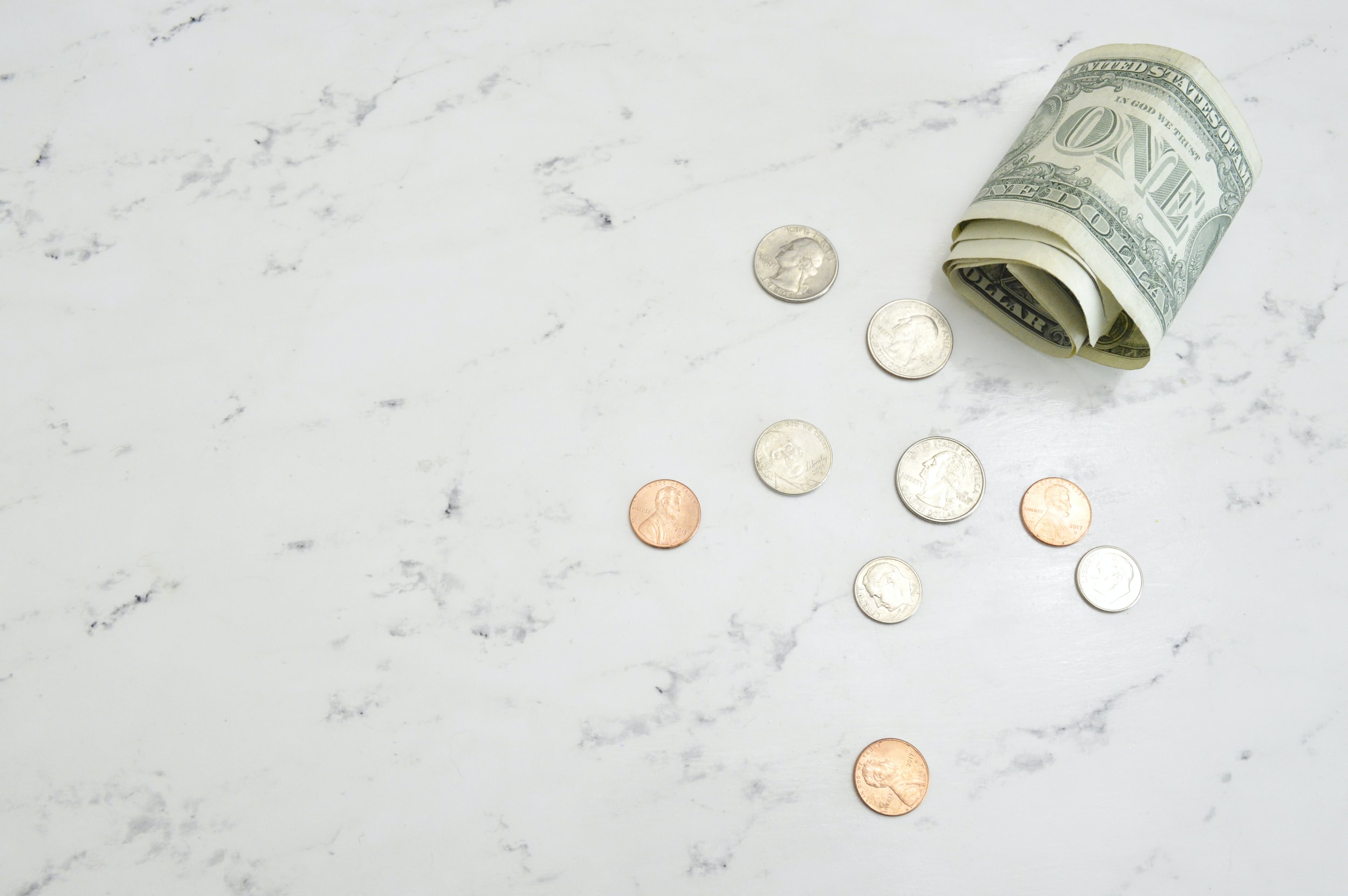
Let me tell you something nobody in the business advice space wants to admit. I built my first profitable business with very little money. I had two toddlers at home, debt on my shoulders, and no investors waiting to save me. I was not bootstrapping with intention. I was bootstrapping because I had no other choice. And that constraint turned out to be one of the best things that ever happened to my business.
If you are looking at your bank account and thinking you cannot start, hear this clearly: money is rarely the real barrier. Waiting for perfect conditions is the real barrier. If you want a practical follow-up on the sales side of this conversation, getting-people-to-pay-you-money-on-the-internet, stop-overthinking-and-start-taking-imperfect-action, and the-hidden-fear-blocking-your-coaching-business-growth belong together because fear, not lack, is usually the expensive part.
Table of Contents
- The money excuse is usually not the real issue
- What you actually need to start
- The abundance shift that changes the game
- How to make it work without capital
- What to do today if funds are tight
- How to reinvest without starving the business
- Frequently Asked Questions
The money excuse is usually not the real issue
Every week I talk to someone who wants to start a business but cannot because they do not have the budget for a course, a website, or ads. They think the money is the barrier. It usually is not. The barrier is that they are waiting for conditions to be perfect before they move, and conditions never become perfect. In 2026, you can launch a website for a small monthly fee, build an email list on a free plan, and post content for zero dollars. The tools are cheaper than they have ever been.
That means the problem is often emotional, not financial. The person is scared to start, and the money excuse feels safer than the risk of trying. That is why I do not shame the concern. I just want to name it honestly. If you can identify the story you are telling yourself, you can stop letting it run the business. That is where the shift begins.
What you actually need to start
The actual minimum viable stack for a service-based business is small. You need a website, an email list, a scheduling link, and a place to have conversations. That is it. A basic website can be cheaper than a dinner out. Free email platforms exist. Free scheduling tools exist. Social media accounts are free. The minimum viable business stack is much smaller than most people imagine.
When you realize that, the question changes from “How do I afford a huge launch?” to “How do I make the first useful version?” That is a much better question. It pushes you toward action instead of anxiety. It also keeps you from overbuilding before you have proof. If you need a client-attraction mindset reset, how-to-find-more-new-customers-for-your-business is a good companion because the first job is always attention plus trust.
- Use a lean website instead of a custom monster.
- Use free email tools until the list earns an upgrade.
- Use a simple scheduler so people can book you.
- Use direct outreach and content before paid ads.
The abundance shift that changes the game
People who are broke often develop a scarcity relationship with every decision. They will not spend a little money on a tool that could save them time because they are afraid of wasting the little they have. That can turn into months or years of doing everything manually and making nothing. In practice, the lack of money is not always the problem. The lack of return-on-money thinking is the problem. A small, strategic investment can be more useful than endless hesitation.
I see this in coaching all the time. A client will resist spending a manageable monthly amount on support because it feels expensive, even though they are currently making zero from the thing they are trying to build. Once they land a good client, the math changes fast. This is why discipline matters. You do not need a huge budget. You need a mindset that knows money is a tool, not a verdict. The business grows when you stop treating every dollar like a trap.
How to make it work without capital
Get a job to cover the bills if you need to. I mean that seriously. A part-time job or freelance side work can buy you breathing room while you build. Trade skills if you cannot afford services. Put every dollar you do make back into the business. Learn to sell before you hire anything. The founder's job is always sales. If you cannot sell your own service, no amount of money will save the business. Lean is not glamorous, but it is honest.
That is also why direct outreach is so important. If you are cash-light, you need more conversations, not more perfection. You do not need to buy a giant funnel before you have proof. You need to learn the market, make an offer, and get feedback quickly. If you want a practical companion, your-business-will-grow-by-asking-for-what-you-want is a good read because asking is often the fastest path to movement.
What to do today if funds are tight
Today, start with the smallest real version of your business. Build a one-page website with your name, your offer, and a way to contact you. Post one piece of content. Send a handful of direct messages to people who might need what you offer. That is not a glamorous plan, but it is a real one. It gets you from dreaming to doing without requiring permission from your bank account.
Tomorrow, repeat the process. One useful action at a time builds momentum. You do not need to solve the whole business today. You need to create enough motion that the next useful step becomes obvious. When the budget is tiny, the temptation is to overthink every move. Resist that. Clarity grows from action, not from waiting. If you want help staying out of your own way, stop-overthinking-and-start-taking-imperfect-action is right on theme.
How to reinvest without starving the business
When the money starts to come in, do not spend it all on comfort. Reinvest a portion back into the business so it can keep growing. That might mean tools, coaching, or ads. The point is not to become reckless. The point is to stop treating every dollar like a personal reward and start treating revenue like fuel. The first time a client pays you, the money should create more capacity, not just more lifestyle.
I like a simple rule: make a little, keep a little, reinvest a little. That keeps the business alive without making you feel financially trapped. The exact ratio will change over time, but the principle stays the same. Build with restraint, then reinvest with purpose. If you do that long enough, the business stops feeling like a desperate gamble and starts feeling like a system.
How to reinvest after the first win
Once you make your first money, do not let it disappear into random purchases. Decide in advance what percentage goes back into the business. Maybe that is a tool, maybe it is coaching, maybe it is better outreach support. The exact number is less important than the habit of reinvestment. A business grows faster when revenue becomes fuel instead of just relief.
That does not mean you starve yourself. It means you build a rhythm where the business keeps getting stronger as it earns. A small reinvestment rule forces you to think like an owner. It also keeps you from confusing a temporary win with a permanent solution. The money should create more leverage, not just more consumption.
Lean sales beats expensive branding
When funds are tight, your first real advantage is not design. It is directness. A clear offer sent to the right people will outperform a prettier website that nobody understands. That is why I keep coming back to outreach, simple pages, and a fast path to conversation. Once those pieces work, branding can improve later without becoming a delay tactic.
That directness is what turns a small budget into momentum. You are not waiting for perfect resources; you are using clear moves to create revenue that can fund the next step.
Frequently Asked Questions
Do I really need a website to start?
Not necessarily, but a simple website helps with credibility and makes it easier to capture leads. You can start on social media or through direct outreach, then add a website as soon as you can.
Should I get a loan to start?
For most service businesses, no. You need skills, a clear offer, and clients more than you need debt. Prove the idea first.
How do I get my first client with no money?
Outreach. Not ads. Personal messages, helpful conversation, and a clear offer. That is the shortest path when the budget is tight.
What is the biggest mistake broke entrepreneurs make?
They spend too much time trying to save money instead of making money. Making revenue is usually the highest ROI activity available.
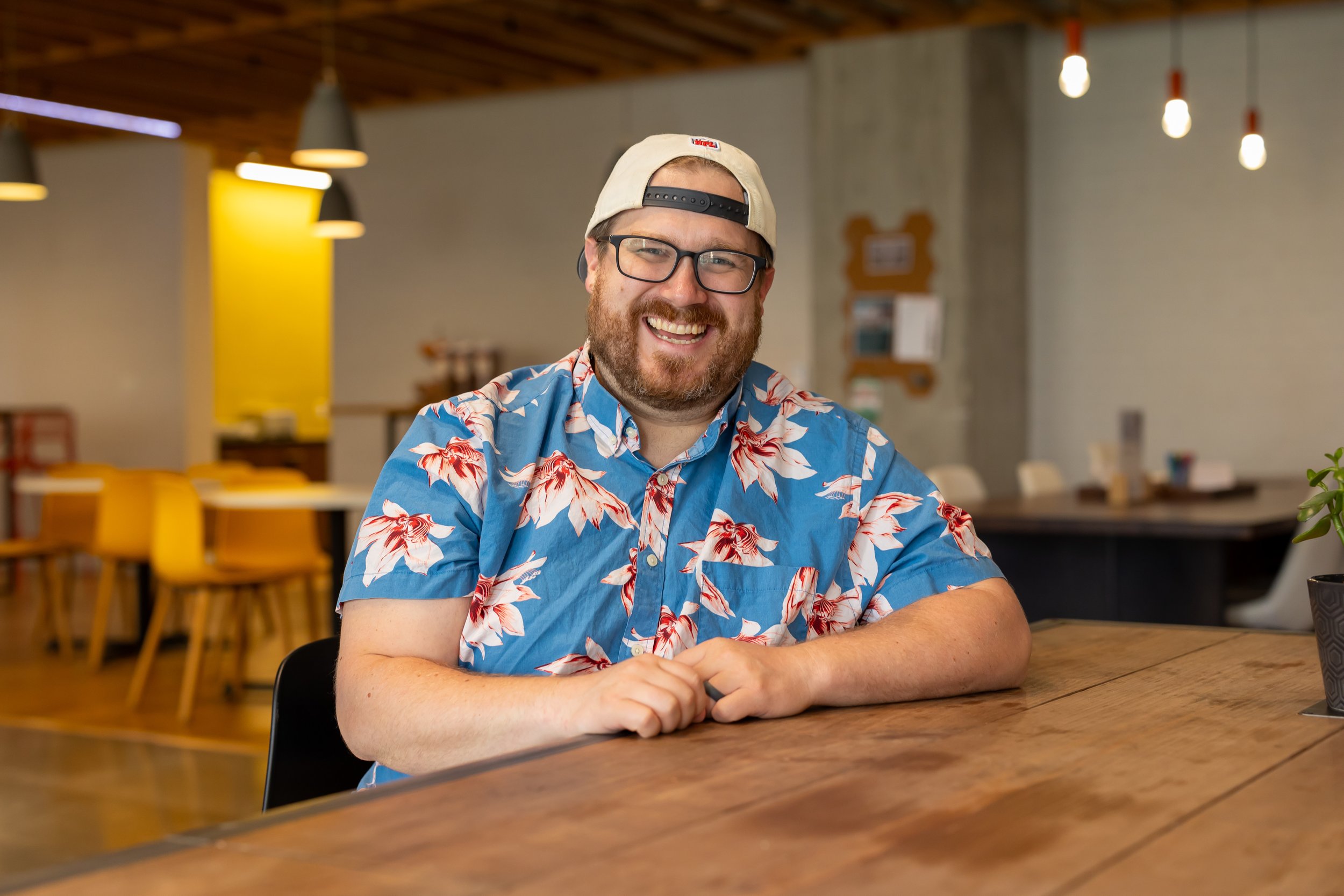
About Jeremiah Krakowski
Jeremiah Krakowski is a coaching business mentor who helps coaches, course creators, and consultants scale from $3k/mo to $40k+/mo using direct response marketing, AI systems, and proven frameworks. He runs Wealthy Coach Academy and has 23+ years of experience in digital marketing. Learn more →