
One of the most overlooked productivity moves is also one of the most uncomfortable for high performers to hear: you do not get more done by grinding harder forever. You get more done when you stop treating fun like a reward you have to earn and start treating it like part of the system. My counter-intuitive approach to productivity is built on that idea. The goal is not to escape work; the goal is to make work sustainable enough that your brain stays sharp and your decisions stay clean.
When business owners ignore recovery, everything gets expensive. Focus gets thinner, patience drops, and the small tasks start to feel bigger than they are. If you want the mindset side of that shift, stop-overthinking-and-start-taking-imperfect-action is a good companion because it reminds you that movement beats rumination. If the real problem is distraction and scattered attention, eliminate-distractions-and-get-more-done-in-your-business shows how much energy leaks out of a day when you never give your mind a proper reset.
Table of Contents
- Why play actually makes you more productive
- What I mean by intentional play
- How I structure work and recovery
- What to do when guilt shows up
- A simple weekly experiment
- Frequently Asked Questions
Why play actually makes you more productive
Play helps because it changes your state. That is not a motivational poster idea; it is a practical reality. When your brain gets nothing but pressure, every problem starts to feel heavier than it needs to feel. A real break creates contrast. The work block after a walk, a hobby, a conversation, or even a clean mental pause is usually better than the one you force through while your mind is still foggy. Capacity matters. So does rhythm.
I have watched business owners call themselves lazy when they were really depleted. They were not lacking discipline; they were lacking restoration. practical-ways-to-build-habits-that-outlast-motivation is relevant here because habits only stick when they fit a human nervous system, not an imaginary machine. If you want the bigger-picture lens, how-to-accomplish-impossible-goals and why-taking-imperfect-action-is-better-than-being-perfect both point toward the same truth: sustainable momentum beats temporary intensity almost every time.
What I mean by intentional play
Intentional play is not mindless scrolling and pretending it counts as rest. It is a chosen activity that genuinely changes how you feel and think. For one person that might be music or a long drive. For another it might be a hobby, a sport, time with friends, or a walk without checking email every thirty seconds. The point is not the activity itself. The point is the recovery it creates and the quality of focus it gives you after the break.
That is why fun is strategic. It gives your brain a different input stream. It reminds you that your identity is bigger than your to-do list and your worth is bigger than your output. When you treat play as part of the operating system, you stop waiting until you are empty to rest. Instead, you build rest into the week before you break. That little change often produces a huge change in clarity.
How I structure work and recovery
I do not think of productivity as “how many hours did I sit at the desk.” I think of it as “what actually moved the business forward.” That means I want my best mental hours reserved for work that requires judgment, my lower-energy hours assigned to lighter tasks, and enough recovery placed between them to keep the quality high. A day can look packed and still be unproductive if the brain is fried for half of it.
The best routine is usually simple. Work in focused blocks. Protect breaks. Give yourself one or two things that genuinely feel fun, not just efficient. If you want an example of how small shifts add up, how-to-find-inner-peace-amidst-chaos-in-business reinforces the idea that better structure creates better results. Fun is not the opposite of discipline. It is one of the things that keeps discipline from becoming brittle.
- Use your best energy for the hardest decisions.
- Use your lower-energy time for admin and cleanup.
- Protect a real break instead of pretending multitasking is rest.
- Return to work with a clearer mind and a calmer nervous system.
- Measure output quality, not just hours spent.
What to do when guilt shows up
Guilt usually shows up with a familiar message: if I stop, I will fall behind. I do not ignore that feeling, but I also do not let it make the rules. In a lot of cases, guilt is a leftover pattern from a season when being busy felt like the only way to stay safe. That pattern may have once served you, but it does not automatically deserve to run your life now. Rest is not laziness. It is maintenance.
The easiest way to work with guilt is to redefine the standard. Instead of asking, “Did I do enough to deserve a break?” ask, “Did I give my brain enough recovery to do good work again?” That question changes the frame from moral failure to operational design. Once you start thinking that way, a walk or a hobby is no longer a guilt trip. It is a deliberate investment in better performance.
A simple weekly experiment
If you want proof instead of theory, run a one-week experiment. Pick one fun activity that genuinely changes your state. Put it on the calendar. Treat it like a real appointment. Then track what happens to your mood, attention, and output for the next work block. Do not just count hours. Look at the quality of your decisions, the amount of resistance you feel, and whether you procrastinate less after the break.
That experiment will teach you something important: the goal is not to squeeze every drop out of the day. The goal is to have a day that still works tomorrow. When the business is important, your energy management becomes part of the strategy. If you want a practical companion to that idea, stop-overthinking-and-start-taking-imperfect-action and eliminate-distractions-and-get-more-done-in-your-business both point toward one thing: action gets easier when your head is clear.
Frequently Asked Questions
Does this mean I should work less?
No. It means you should work better. Intentional play is about improving your capacity, not lowering your standards.
What if I feel guilty when I rest?
That usually means you have tied your identity to constant output. Start by reframing rest as maintenance, not failure.
What kinds of play help the most?
The best kind is the one that actually changes your state. For one person that is a walk. For another it is music, driving, sewing, or hanging out with friends.
How do I know if I am avoiding work or recharging?
Look at the result. Recharging gives you more clarity and energy for the next work block. Avoidance gives you more fog.
A weekly rhythm that keeps the week from collapsing
The best productivity system I know is not built around heroic mornings or perfect calendars. It is built around a weekly rhythm that tells your brain what kind of work belongs where. Some days are for deep thinking and creation. Some days are for maintenance and cleanup. Some days are for recovery on purpose. That rhythm matters because it prevents every day from turning into the same pressure cooker. When every day feels like an emergency, nothing gets enough oxygen.
I like to think in three buckets. First, output work: writing, selling, building, coaching, or any task that creates visible progress. Second, support work: admin, follow-up, scheduling, and the smaller things that keep the business from leaking. Third, restoration: exercise, play, walking, family time, and the mental reset that keeps you from resenting the work. If the week has no restoration, the output bucket eventually gets weaker anyway. If the week has no support bucket, the business starts to wobble. Good productivity is really just good pacing.
That pacing also gives you a better way to fight guilt. Instead of asking whether you earned a break, ask whether the week is designed so your best work can keep happening. A business owner who never stops to recover eventually starts making sloppy decisions. A business owner who builds recovery into the rhythm usually makes cleaner decisions, communicates better, and stops confusing anxiety with urgency. That is why play and rest are part of the operating system, not a bonus for finishing early.
- Protect one or two deep-work windows instead of trying to be “on” all day.
- Batch small tasks together so they do not interrupt your best thinking.
- Put recovery on the calendar before the week gets crowded.
- Use a shutdown ritual so work does not leak into every hour.
- Review the week by outcomes and quality, not just by how busy it felt.
Measure output quality, not just hours
Hours are easy to count, but they are a terrible proxy for usefulness. A three-hour block with a clear head can be worth more than a ten-hour day full of distraction. That is why I prefer quality questions: Did the work move the business? Did the message land? Did the decision reduce future friction? Did the task create momentum or just noise? Those questions expose whether the day actually mattered.
One practical way to do this is to define “done” before you start. Decide what a good draft looks like, what a good sales page needs, or what a good follow-up conversation should accomplish. When you know the finish line, you stop wandering. You also stop treating perfection like the only acceptable standard. Sometimes the most productive move is not to keep polishing. It is to ship, learn, and then improve the next version based on reality.
That is where play helps again. A rested brain can judge its own work more honestly. It can tell the difference between a useful refinement and a nervous fidget. If your productivity method leaves you exhausted, tense, and resentful, it is too expensive. If it leaves you clear enough to do the next important thing, it is working. The goal is not to squeeze every last drop from the day. The goal is to create a week that still has a functioning nervous system inside it.
Conclusion
My simple counter-intuitive approach to productivity is this: stop treating play like a distraction from real life. It is part of real life. When you build fun into your week on purpose, you usually make better decisions, create better work, and feel less trapped by the pace of your own business. That is not a luxury. That is strategy.
If you want the practical side of turning intention into action, pair this post with stop-overthinking-and-start-taking-imperfect-action, practical-ways-to-build-habits-that-outlast-motivation, and how-to-accomplish-impossible-goals. Those posts reinforce the same idea from different angles: sustainable momentum beats temporary intensity, and a rested brain usually makes better business moves.
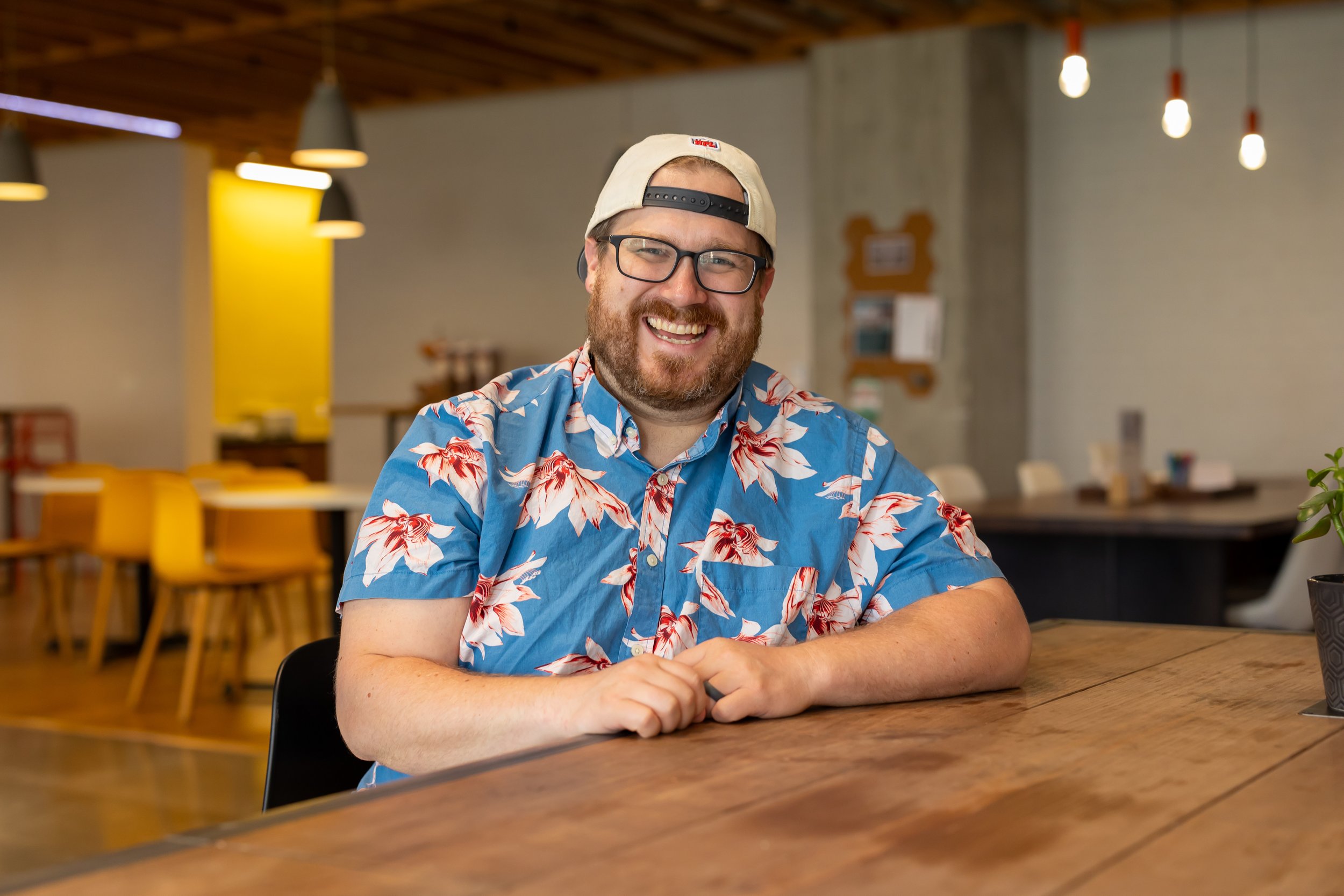
About Jeremiah Krakowski
Jeremiah Krakowski is a coaching business mentor who helps coaches, course creators, and consultants scale from $3k/mo to $40k+/mo using direct response marketing, AI systems, and proven frameworks. He runs Wealthy Coach Academy and has 23+ years of experience in digital marketing. Learn more →