
Difficult situations become heavier when we believe we have no choice. The problem may still be real. The pressure may still be present. The disappointment may still hurt. But the moment you remember that you can choose your perspective, your next step, your response, and your meaning, the situation starts to lose some of its power over you. That is the power of choice.
The power of choice is not pretending hardship does not exist. It is not denying pain, rushing grief, or acting like every problem is secretly easy. It is the ability to stop treating difficulty as a final verdict and start seeing it as a place where growth, wisdom, strength, and clarity can be formed. You may not control every circumstance, but you can choose how you engage with what is in front of you.
A lot of people give up on dreams and goals because they label them as too hard. They tell themselves they do not have the time, energy, confidence, resources, or support. Sometimes those limitations are real. But the label “too hard” can become a wall that stops movement. A better question is, “What choice is still available to me right now?” That question creates a door.
What the power of choice really means
The power of choice is one of the most important gifts we have as human beings. Every choice sets a direction. Some choices move us toward the life we want. Others keep us circling the same frustration. A single choice may not change everything overnight, but repeated choices become patterns, and patterns become outcomes.
When you are clear about what you want, your choices become easier to evaluate. Does this move me closer to the person I am becoming, or farther away? Does this response create peace, wisdom, and progress, or does it create more chaos? Does this action help me solve the problem, or does it only help me avoid feeling uncomfortable for a moment?
Even when you are not clear about the entire future, you still have choices. You can pause before reacting. You can ask for help. You can take one honest step. You can choose not to make the situation worse. You can choose to learn from what happened. You can choose to stop treating a setback as proof that you are finished. Jeremiah’s post on powerful choices that help you reach your goals faster expands this same principle in a practical way.
Stop dividing everything into easy or hard
One mindset that makes difficult situations harder is the habit of dividing everything into two categories: easy or hard. If something feels easy, we assume it is safe. If something feels hard, we assume it is wrong, impossible, or not meant for us. But growth usually does not fit neatly into either category. Many of the most meaningful things in your life will require effort, patience, and courage.
Instead of asking, “Is this easy?” ask, “Is this worth becoming stronger for?” That shift changes everything. A difficult conversation becomes a chance to practice honesty. A slow season becomes a chance to practice consistency. A failed attempt becomes a chance to gather feedback. A confusing problem becomes a chance to develop wisdom. The situation may still stretch you, but it no longer has to define you.
Choice becomes easier when you remember that one decision can create a new doorway. Jeremiah’s article on how to create new possibilities for your life is a strong companion when the next step feels small but meaningful.
This is why choice makes difficulty easier. You are no longer standing in front of a locked door called “hard.” You are standing in front of a training ground. You may not like the training. You may not have chosen the timing. But you can choose to grow through it instead of shrinking under it.
Choose perspective before you choose action
The way you see a situation affects the way you feel about it, and the way you feel about it influences the action you take. If you see a setback as proof that you are incapable, you will probably withdraw. If you see it as information, you can adjust. If you see conflict as danger, you may avoid the conversation. If you see it as an opportunity for clarity, you may approach it with courage and humility.
Perspective is not about forcing yourself to be cheerful. It is about telling the truth in a way that gives you room to move. “This is hard” may be true. But “this is hard and I can take the next step” is also true. “I am disappointed” may be true. But “I am disappointed and I can learn from this” is also true. The second version does not deny reality. It adds agency back into the story.
When goals feel too big, this perspective matters even more. If you are facing something that feels beyond your current capacity, Jeremiah’s guide on what to do when your goals seem too hard is a strong next read because it keeps the focus on movement instead of paralysis.
Do not make difficult situations worse
When pressure rises, it is easy to react in ways that multiply the problem. You may try to fix everything at once. You may say yes to too many things because you are afraid of disappointing people. You may isolate because asking for help feels vulnerable. You may obsess over the part you cannot control while ignoring the one action that is actually yours to take.
One of the most powerful choices you can make is to stop making the situation bigger than it needs to be. Do not try to solve every layer at once. Choose one next step. Do not carry the whole thing alone if trusted help is available. Ask a wise person to look at the problem with you. Do not waste energy arguing with reality. Name what is outside your control, then put your focus back on what you can influence.
There is strength in simplicity. Take the next honest step. Make the phone call. Apologize if you need to. Write the plan. Rest before you make the decision if you are flooded. Finish the small commitment. Let the situation become a place of practice instead of panic.
Choose growth instead of shame
Failure feels painful because it often threatens our identity. We do not only think, “That did not work.” We start thinking, “I am not good at this,” “I should have known better,” or “This means I should quit.” Shame turns an event into an identity. Growth turns an event into a lesson.
Choosing growth does not mean you ignore consequences. It means you refuse to let consequences become condemnation. You can take responsibility without attacking yourself. You can admit something did not work without deciding nothing ever will. You can grieve a disappointment without building a home inside it.
This is especially important in business, relationships, leadership, and personal goals. If every mistake becomes a reason to quit, you will never stay with anything long enough to mature. If every mistake becomes feedback, you can become resilient. Jeremiah’s post on how failure helps you succeed pairs well with this because it reframes failure as part of the path instead of the end of it.
Ask for help without making it mean weakness
Another choice that makes difficult situations easier is the decision to ask for help. Many people wait too long because they believe needing help means they are failing. But isolation often makes problems more confusing. A trusted outside perspective can help you separate facts from fear, identify options, and take action with more clarity.
Help does not remove your responsibility. It strengthens your ability to carry it wisely. Ask someone who has maturity, context, and care for your future. Ask specific questions. Share the actual problem, not just the polished version. Be willing to hear what you may not want to hear. Sometimes the help you need is encouragement. Sometimes it is strategy. Sometimes it is correction. All of those can be gifts.
The choice to ask for help also trains humility. You stop needing to prove you can do everything alone. You start building a life where wisdom, support, and honest conversation are normal. That alone can make hard seasons less overwhelming.
Take one choice at a time
You do not have to solve your entire life today. You do not have to understand every detail of the future before taking the next faithful step. In fact, waiting for perfect clarity can become another form of avoidance. If that pattern sounds familiar, Jeremiah’s article don’t wait to figure it all out before you start is a helpful reminder that movement often creates clarity.
Start with the choice in front of you. Choose the next honest action. Choose the perspective that gives you agency. Choose to stop making the problem bigger. Choose to learn. Choose to ask for help. Choose to stay patient. Choose to adapt when the original plan does not work. These choices may look small, but small choices repeated over time create a new direction.
Difficult situations become easier when you stop seeing yourself as powerless inside them. You may not control the timing, the people involved, or every outcome. But you can choose your response. You can choose your next step. You can choose growth. And each time you make that choice, you become stronger than the version of you who thought the only options were easy or impossible.
FAQ
What is the power of choice?
The power of choice is the ability to direct your response, perspective, and next action even when circumstances are difficult. It does not mean you control everything. It means you still have agency over how you interpret the situation and what step you take next.
How can choice make difficult situations easier?
Choice makes difficult situations easier by shifting you from helplessness into agency. When you choose perspective, ask for help, take smaller steps, and focus on what you can control, the situation may still be hard, but it becomes more manageable and less overwhelming.
What should I do when a problem feels too big?
Pause, name the facts, and choose one next step. Do not try to fix every layer at once. Ask what is within your control today, who can help, and what action would reduce confusion or pressure. Small steps create momentum.
Does choosing growth mean ignoring pain?
No. Choosing growth does not require denying pain or disappointment. It means you honor what happened while refusing to let it define your identity or future. You can grieve, learn, adjust, and keep moving with wisdom.
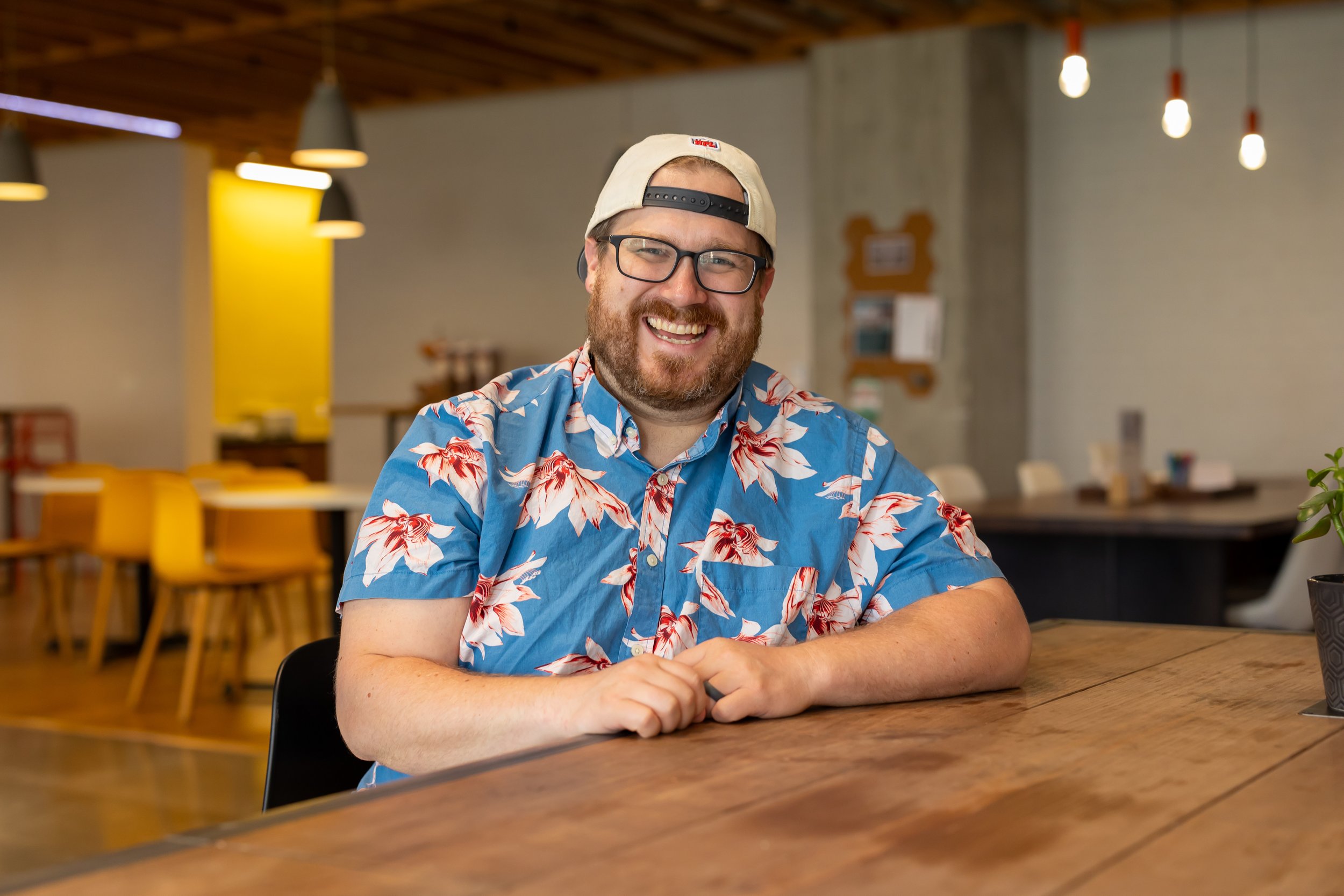
About Jeremiah Krakowski
Jeremiah Krakowski is a coaching business mentor who helps coaches, course creators, and consultants scale from $3k/mo to $40k+/mo using direct response marketing, AI systems, and proven frameworks. He runs Wealthy Coach Academy and has 23+ years of experience in digital marketing. Learn more →